


- Gastritis is inflammation of the stomach lining that can cause pain, nausea, indigestion, bloating and stomach burning.
- Common causes include H. pylori infection, frequent NSAID use, alcohol intake, stress and weakened immunity.
- Treatment depends on the cause and may involve diet changes, acid-reducing medication, antibiotics or supportive home remedies.
Gastritis is a condition characterized by inflammation of the stomach lining, which can lead to symptoms such as stomach pain, indigestion, nausea, and a burning sensation. Gastritis may develop suddenly or gradually, depending on the underlying cause.
Gastritis is commonly linked to factors such as H. pylori infection, frequent use of anti-inflammatory medications, excessive alcohol intake, and high stress levels. This condition can present in different forms, including acute, chronic, or erosive gastritis, each with varying severity and progression.
Treatment for gastritis depends on its cause and may include diet changes, acid-reducing medications, or antibiotics when infection is present. If left untreated, gastritis can lead to complications such as ulcers, bleeding, or an increased risk of stomach cancer.
Gastritis symptoms
Gastritis symptoms can develop after eating fatty foods, during periods of stress, or following an anxiety episode. They result from inflammation of the stomach lining, often caused by increased stomach acid production. Common symptoms include:
-
Stomach or abdominal pain, especially after eating or on an empty stomach
-
Bloating, particularly after meals
-
Nausea or vomiting
-
A feeling of fullness
-
General discomfort or malaise
-
Excess gas, such as burping or flatulence
If you experience these symptoms, it’s important to consult your primary care provider or a gastroenterologist for evaluation, diagnosis, and appropriate treatment. You can also check out our online gastritis symptoms quiz to assess your likelihood of having gastritis.
What causes gastritis?
There are several factors that can cause inflammation of the stomach or damage its protective lining. The most common include:
-
H. pylori infection: According to the National Institute of Diabetes and Digestive and Kidney Diseases (NIDDK), H. pylori infection is one of the most common causes of gastritis and can damage the protective lining of the stomach, leading to inflammation.
-
Frequent use of nonsteroidal anti-inflammatory drugs (NSAIDs), such as ibuprofen or naproxen: These medications can weaken the stomach’s protective lining, exposing it to acid and causing irritation.
-
Regular alcohol consumption: Alcohol irritates and erodes the stomach lining, increasing vulnerability to acid damage.
-
High levels of stress: Stress can disrupt normal digestive processes and contribute to stomach inflammation. Read more about stress-induced gastritis and how to manage it.
People with certain autoimmune conditions or weakened immune systems, such as those with AIDS, may also have a higher risk of developing gastritis.
Main types
Gastritis can be classified based on how it develops and the symptoms it causes. The most common types include:
-
Acute gastritis, which develops suddenly, often due to illness, injury, or medication use.
-
Chronic gastritis, which develops gradually and may worsen over time.
-
Erosive gastritis, which involves inflammation that damages both the outer stomach lining and deeper layers of stomach tissue. It is often linked to medications, Crohn’s disease, or viral or bacterial infections.
-
Non-erosive (mucosal) gastritis, which affects the stomach lining without causing ulcers, despite inflammation of the stomach walls and inner layers.
Treatment for gastritis focuses on reducing inflammation of the stomach lining and healing any damage to the mucosal layer. Identifying and addressing the underlying cause is essential for effective management.
Gastritis treatment
Gastritis treatment typically includes dietary changes, prescribed medications, and supportive home remedies
1. Diet
When following a gastritis diet, it’s best to focus on cooked vegetables (preferably without skins), lean meats, caffeine-free teas, and easy-to-digest carbohydrates such as white rice, potatoes, and white bread.
At the same time, you should limit foods and drinks that stimulate stomach activity or increase hydrochloric acid production. These include coffee, black tea, soft drinks, alcohol, high-fat or spicy foods, and rich sauces.
Check out a diet menu for gastritis and ulcers that may help relieve symptoms.
2. Medications
Some medications your doctor may prescribe for gastritis include acid-reducing drugs, such as omeprazole, pantoprazole, and cimetidine, as well as antacids like aluminum hydroxide, magnesium hydroxide, calcium carbonate, or sodium bicarbonate.
If gastritis is caused by an H. pylori infection, your doctor may also prescribe antibiotics, typically a combination such as clarithromycin with amoxicillin or metronidazole.
3. Home remedies
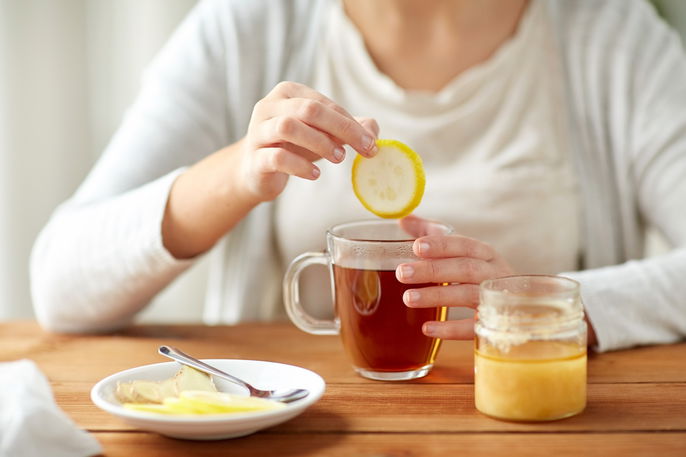
Some home remedies for gastritis include fennel or chamomile tea, as well as natural juices such as potato, aloe vera, or kale combined with papaya and melon. These options have antioxidant and anti-inflammatory properties that may help relieve indigestion, burning, and pain.
How to cure gastritis permanently
Gastritis can often be cured when it is properly diagnosed and treated by a healthcare provider. Depending on the cause, treatment may include medications such as omeprazole, antacids, or antibiotics to protect the stomach lining or eliminate an H. pylori infection.
Possible complications
If not treated properly, gastritis can lead to complications such as stomach bleeding, peptic ulcers, and deficiencies in iron and vitamin B12.
According to the National Cancer Institute (NCI), chronic H. pylori infection is associated with an increased risk of stomach cancer, especially when infection is not properly treated.
Also recommended: 10 Stomach Cancer Symptoms You Shouldn’t Ignore tuasaude.com/en/stomach-cancer-symptomsPrevention measures
Some tips to help prevent gastritis include:
-
Eating regular meals throughout the day, including breakfast, lunch, and dinner
-
Avoiding going long periods without eating
-
Washing your hands before meals and after using the bathroom
-
Drinking only filtered or boiled water
-
Chewing your food thoroughly
-
Limiting frequent or excessive alcohol consumption
-
Avoiding very fatty foods, such as fried items and ice cream
It’s also recommended to follow a balanced, healthy diet and use anti-inflammatory medications only as prescribed by a healthcare provider.